

Need help navigating? NC TEST02


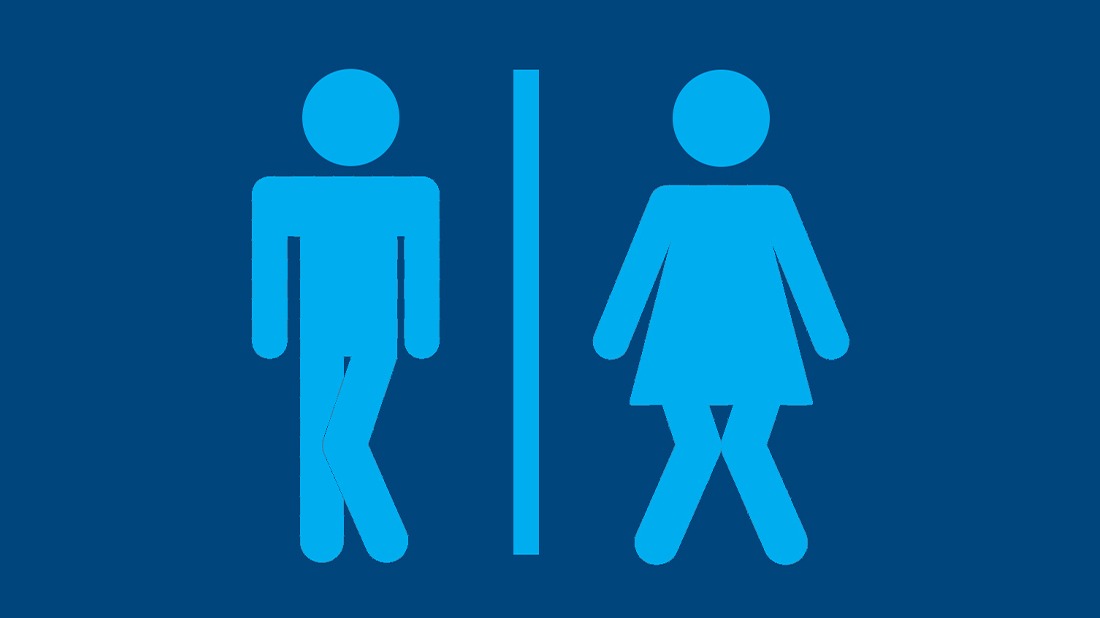
What is Fecal Incontinence?
Fecal incontinence is not being able to control bowel movements. Stool (feces) leaks from the rectum without warning. Fecal incontinence ranges from an occasional leakage of stool while passing gas to a complete loss of bowel control.
What Causes Fecal Incontinence?
Several factors affect the ability to regulate bowel movement:
- Muscle damage
- Nerve damage:
- Childbirth
- Spinal cord injury
- Stroke
- Multiple sclerosis
- Constipation
- Diarrhea
- Hemorrhoids
- Older Age
- Surgery
- Rectal Prolapse
- Rectocele
What are the Symptoms of Fecal Incontinence?
Some of the common symptoms of fecal incontinence:
- Stool leaks out when passing gas.
- Stool leaks out due to physical activity/daily life exertions.
- Feeling like you have to go and not being able to make it to the bathroom in time.
- Stool is seen in the underwear after a normal bowel movement.
- There’s complete loss of bowel regulation
What is the Treatment for Fecal Incontinence?
Fecal incontinence can be treated by several different treatments including anti-diarrheal drugs and diet changes. Providers may also suggest physical therapy and bowel retraining. Another treatment option is bowel control therapy (Medtronic InterStim™ system), a simple in-patient procedure where a small device is implanted to gently stimulate the sacral nerves in your pelvic area that control your bowel.
Have questions about fecal incontinence?
Find a DoctorPrevention & Treatment
Bowel Control Therapy
Bowel Control Therapy (Medtronic InterStim™ system) gently stimulates the sacral nerves in your pelvic area that control your bowel. This may help restore bowel-brain communication and reduce your symptoms of fecal incontinence.
Learn More